Oil pulling for teeth is one of the internet’s favourite wellness rabbit holes — ancient ritual, modern hype, and a lot of confusion in between. Strip away the noise: a traditional Ayurvedic morning practice called kavala (and its close cousin gandusha), in which oil is swished in the mouth to start the day. Here’s how to do it properly, which oil to reach for, and what to honestly expect.
What Oil Pulling Actually Is: Kavala and Gandusha
Long before it was a wellness trend, oil pulling was kavala graha — “holding oil” — described in classical Ayurvedic texts as part of the morning routine (dinacharya). The practice: take a spoonful of oil into the mouth, swish gently, and release. In the traditional view, the mouth is the gateway to the day. The classical texts associate the practice with a clean-feeling mouth, comfortable gums, and fresh breath as part of daily oral care.
Which Oil Should You Use?
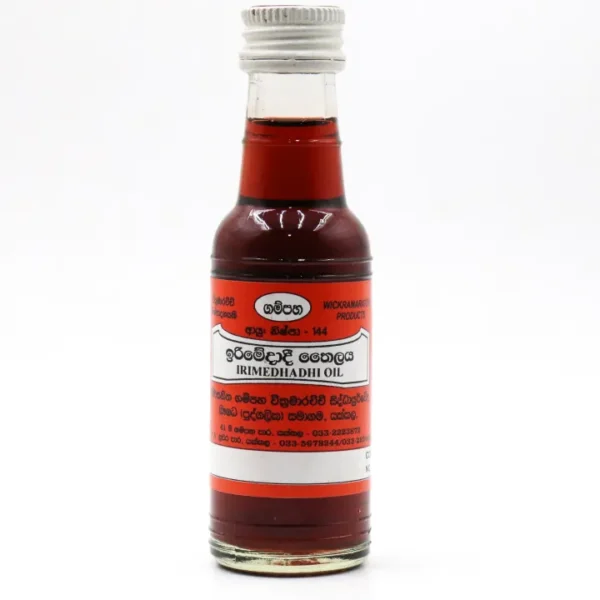
Traditionally, plain sesame or coconut oil is used. But there’s also a classical option made specifically for this purpose. Our Irimedhadhi Oil 60ml is exactly that — a traditional Ayurvedic oil from the Wickramarachchi lineage of Yakkala, Sri Lanka (herbalists since 1929), prepared for the oral ritual rather than adapted from the kitchen shelf. “Rooted in Ceylon. Crafted for the World.”
How to Do Oil Pulling: The Morning Ritual, Step by Step
Do this first thing in the morning, before eating, drinking, or brushing.
- Measure one tablespoon. Don’t overfill; you’ll need room to swish.
- Swish gently — don’t gargle aggressively. Move the oil slowly around the mouth. If your jaw tires, you’re working too hard.
- Keep going for 5–20 minutes. Beginners: start with 5 minutes and build up.
- Spit — never swallow. Spit into a bin or tissue, not the sink (oil can clog drains).
- Rinse and brush. Rinse with warm water, then brush as normal. Oil pulling comes before brushing, not instead of it.
Getting the Details Right
- On an empty stomach: first thing in the morning, before food or drink.
- If you gag: start with a teaspoon instead of a tablespoon.
- Consistency over duration: daily gentle practice is the traditional pattern.
What to Expect — Honestly
Oil pulling is a daily maintenance ritual — practitioners describe a clean, fresh-feeling mouth and a more mindful oral-care routine. It is not a substitute for brushing, flossing, or seeing a dentist. Give it 3–4 weeks of daily practice before deciding whether it’s for you.
FAQ
How long should I do oil pulling each morning?
Start with 5 minutes and build toward 15–20 minutes as it becomes comfortable.
Should I use a special oil, or is coconut oil fine?
Plain sesame or coconut oil is the traditional everyday option. A purpose-made Ayurvedic herbal oil like Irimedhadhi Oil 60ml follows the classical form more closely.
Do I still brush my teeth after oil pulling?
Yes — always. Oil pulling comes first, then rinse and brush as normal. A complement, never a replacement.
Can I swallow the oil after pulling?
No — spit it out. Spit into a bin rather than the sink.
How do you do oil pulling correctly?
First thing in the morning on an empty stomach: take about a tablespoon of oil, swish it gently around the mouth (pulling it between the teeth, not gargling aggressively) for 5–20 minutes, spit it into a bin — never swallow, and not into the sink — then rinse with warm water and brush as normal.
Which oil is best for oil pulling?
Traditionally, plain sesame or coconut oil is used. A purpose-made Ayurvedic herbal oil follows the classical form more closely — Irimedhadhi Oil (60ml) is prepared specifically for the kavala/gandusha oral ritual in the Wickramarachchi tradition, rather than adapted from the kitchen shelf.
Does oil pulling replace brushing your teeth?
No — never. Oil pulling comes before brushing, not instead of it. It is a traditional daily maintenance ritual that complements brushing, flossing, and regular dental care; it does not replace professional dental care for any dental condition.
How long should I practise oil pulling before deciding if it works for me?
Give it 3–4 weeks of daily practice. Beginners should start with 5 minutes and build toward the traditional 15–20 minutes as it becomes comfortable — five calm minutes beat twenty strained ones, and consistency matters more than duration.
Continue your ritual