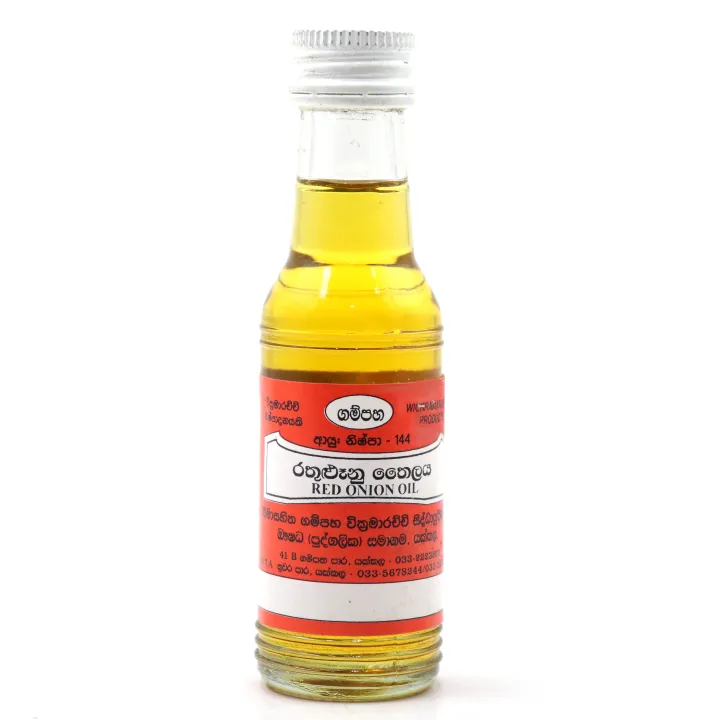
Red onion oil for hair fall is one of the most searched hair-care topics right now — and unlike many beauty trends, this one has a genuine backstory. Onion has been pressed, boiled, and steeped into hair remedies across South Asia for generations. So what exactly is the hype about? And what can you honestly expect? This is an honest, trend-aware guide.
Why Onion? The Trend, Explained
The red onion hair oil craze began with a simple observation from traditional home care: onion is rich in sulphur, one of the building blocks of keratin — the protein that makes up your hair. Ayurveda has used onion in hair preparations for centuries — not as a miracle cure, but as a supportive ingredient in the wider ritual of scalp oiling.
What Red Onion Oil Is Traditionally Used For
- Support a healthy-looking scalp — traditionally considered the foundation of good-looking hair.
- Encourage the appearance of fuller, stronger-feeling hair — regular scalp massage with the oil is the classic ritual.
- Complement seasonal hair shedding — many reach for onion oil during periods of visible hair fall.
It is not a cure for medical hair loss, and no oil can promise that. But as a nourishing ritual, it earns its place.
How to Use Red Onion Oil: The Ritual
The Classic Overnight Method
- Warm it gently. Place the bottle in warm (not hot) water for a minute or two.
- Massage into the scalp. Fingertips, slow circular motions, 5–10 minutes.
- Comb through to the ends. Protect against dryness.
- Leave for 1–2 hours or overnight. Cover your pillow with a towel.
- Wash out. Two shampoos with a gentle sulphate-free shampoo.
The Quick Version
Massage into the scalp 30–45 minutes before your shower, once or twice a week. Consistency matters more than duration.
Realistic Expectations: An Honest Take
- It supports hair health, not hair regrowth. If shedding is caused by medical issues, see a doctor.
- The massage matters as much as the oil. A practice, not a one-time fix.
- Results are gradual. Several weeks of regular use (2–3 times per week).
- The smell is real. It washes out — plan oiling days accordingly.
Why Choose a Heritage-Made Onion Oil
Many mass-market versions use synthetic fragrance or dilute with mineral oil. A traditional Ayurvedic preparation like Rathuloonu follows the older method — genuine red onion infused into a quality base, made in the Wickramarachchi tradition of Yakkala, Sri Lanka, since 1929. “Rooted in Ceylon. Crafted for the World.”
Frequently Asked Questions
How often should I use red onion oil for hair fall?
Two to three times a week. Consistency over several weeks matters more than any single application.
Does red onion oil make hair grow faster?
No oil can guarantee faster hair growth. It is traditionally used to support a healthy scalp and the appearance of stronger, fuller-looking hair.
Will the onion smell stay in my hair?
It washes out with shampoo. Do your oiling the evening before a wash day.
Can I use red onion oil if I have a sensitive scalp?
Always patch-test first behind your ear; wait 24 hours. Discontinue if irritation occurs.
Why is red onion oil popular for hair fall?
Onion is rich in sulphur — one of the building blocks of keratin, the protein that makes up hair — and red onion varieties are traditionally valued for their antioxidant content. Ayurveda has used onion in hair preparations for centuries as a supportive ingredient in scalp-oiling rituals. It is a nourishing traditional practice, not a cure for medical hair loss.
How do you use red onion hair oil?
Warm the oil gently, massage into the scalp with fingertips for 5–10 minutes, optionally comb a little through the lengths, leave for 1–2 hours or overnight, then wash out (usually two gentle shampoos). Two to three times a week is the traditional rhythm.
Will the onion smell stay in my hair after using red onion oil?
The scent is noticeable during application but washes out with shampoo. If you are sensitive to it, do your oiling the evening before a wash day and follow with a fragranced conditioner.
Can I use red onion oil on a sensitive scalp?
Patch-test first: apply a small amount behind your ear and wait 24 hours. If there is no irritation, proceed — and discontinue use if you experience itching or redness.
Continue your ritual